
Toyota Mini Fortuner
Toyota Gears Up to Expand Its SUV Lineup with the Toyota Mini Fortuner, Blending Rugged Fortuner Styling with Compact.
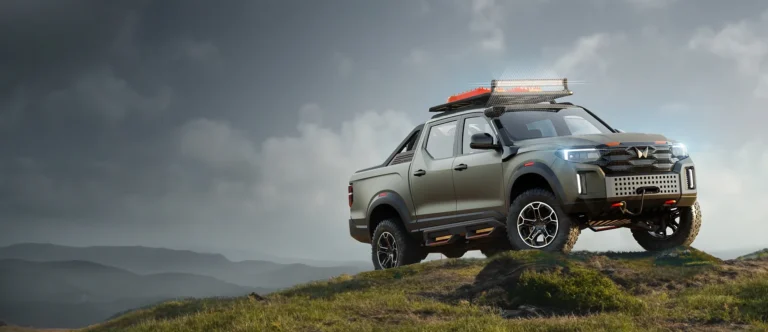
Toyota may be eyeing a sub-Fortuner SUV that captures buyer demand for Fortuner-style presence, Toyota Mini Fortuner rugged looks, and off-road cues, but in a more city-friendly size and lower price bracket. The Mini Fortuner would target buyers who like the Fortuner aura but find its size, cost, or fuel/oil running too much for day-to-day urban or suburban use.
Think: premium compact/mid-SUV with muscular styling, tougher suspension, strong branding, but pared down in power and features compared to the full-sized Fortuner.
Design & Styling Toyota Mini Fortuner
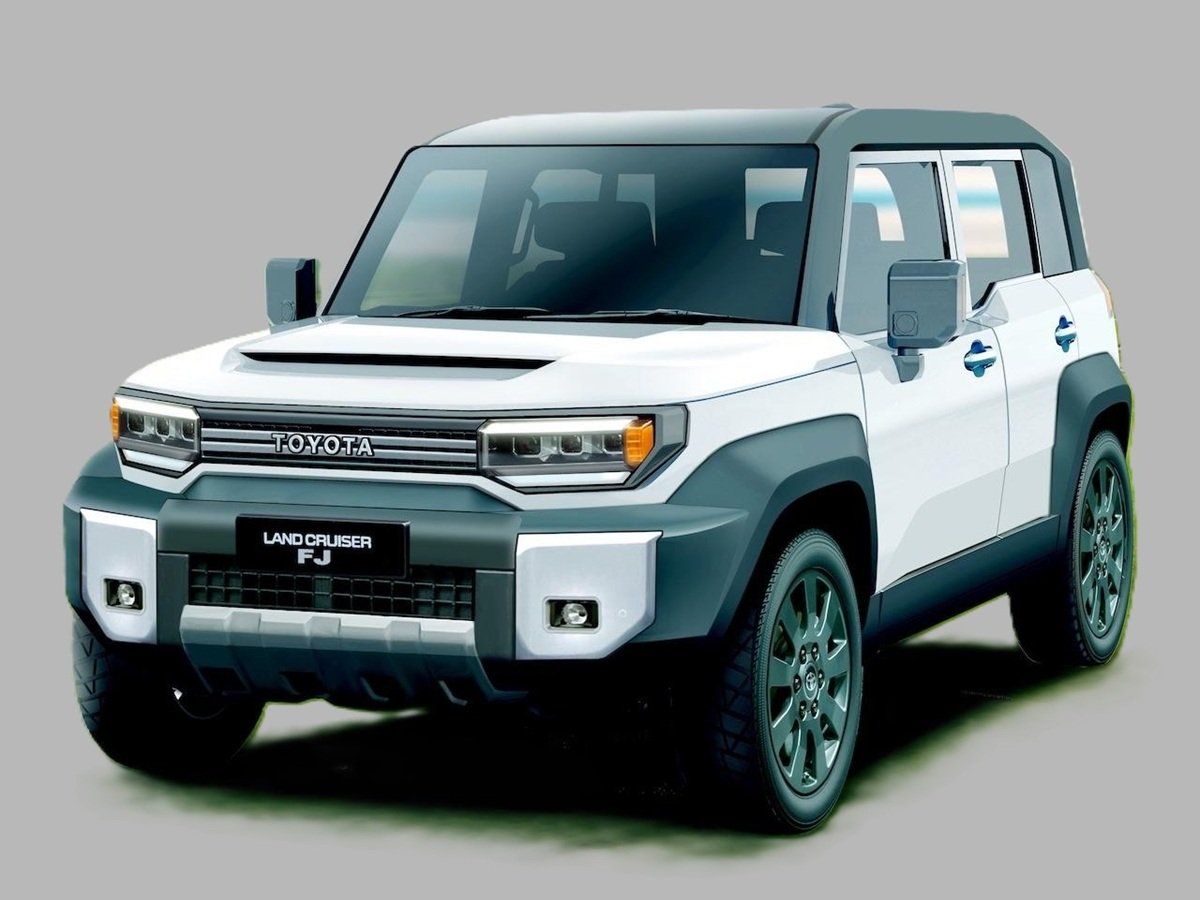
Muscular front grille styling inspired by Toyota Mini Fortuner, with bold Toyota badge.
Slim LED daytime running lights and sharp headlamp units giving aggressive face.
Raised ride height / ground clearance to capture SUV feel. Possibly chunky cladding around wheel arches, skid plates front & rear.
Alloy wheels of size around 17-18 inches, possibly two-tone.
Rear design with Fortuner-like tail lamps, but simplified; possibly LED strips, angular bumper.
Roof racks or roof rails, dual-tone roof options in higher trims to add visual character.
Dimensions & Practicality
Length likely in the region of ~4.4-4.5 meters (or slightly less), narrower and shorter than the full Fortuner to be more maneuverable in traffic.
Wheelbase sufficient for four to five adults comfortably, with good headroom. Rear seat possibly 60:40 split-folding for cargo flexibility.
Boot space likely moderate — enough for daily shopping, weekend bags, maybe light SUV camping gear.
Powertrain Options & Performance
Based on rumours and market trends, possible engine / drivetrain options could include:
1.5-litre petrol engine. Output possibly ~100-110-PS, moderate torque. Likely geared for efficiency and smooth daily driving rather than outright performance.
Transmission options: 5-speed or 6-speed manual for base trims; automatic (torque converter or CVT) for mid and upper trims.
Fuel efficiency: Expected in the ballpark of 15-17 km/l under mixed driving; urban rating might be lower due to size/weight.
Drivetrain: Most likely front-wheel drive. Possibly all-wheel drive (AWD) or 4WD in premium variants — if Toyota wants to add off-road cred.
Features & Technology
To compete in today’s mid-SUV segment, expect a solid set of features, though some cost trade-offs in base variants:
Infotainment touchscreen (8-inch or so), with Apple CarPlay / Android Auto. Possibly wireless connectivity in higher trims.
Safety features such as dual front airbags, ABS with EBD, electronic stability control, ISOFIX child seats. Higher trims might include more airbags, hill-start assist, rear camera or 360-degree view, tyre pressure monitoring.
Comfort features: automatic climate control, rear AC vents, steering mounted controls, power windows. Higher trims may get LED lighting, LED tail lamps, alloy wheels, ambient lighting.
Interior: decent materials, perhaps soft touch where needed. Seats likely fabric in lower trims, leatherette or partial leather in higher trims.
Price Expectation
Given its positioning below or “mini” to Fortuner, ex-showroom price may start in the region of Rs 11 Lakh To 17 Lakh for base variant (in India), climbing for higher trims with automatics, AWD, feature upgrades.
Mid to top trims might enter ~Rs 18 Lakh To Rs 20+ Lakh depending on features, powertrain, and regional taxes.
Target Audience & Market Fit
This Toyota Mini Fortuner would appeal to:
Urban / suburban buyers who want Fortuner styling but more practicality, better fuel efficiency, and lower running costs.
Small families or individuals who occasionally want rugged looks or some off-road capability, but not full-size SUV bulk.
First time SUV buyers, or those stepping up from hatchbacks or compact SUVs.
Challenges would include: balancing cost vs features, ensuring ride comfort despite raised suspension, and differentiating from existing competitors in the compact-SUV/mid-SUV space.
Why It Could Succeed
Strong brand value of “Toyota Mini Fortuner” name; many buyers like the prestige of big SUV styling.
Compact version means lower production cost, easier to sell in higher volumes.
Better city usability, lower fuel cost, lower taxes if engine smaller.
Can capture markets/segments priced out of the full Fortuner but still aspirational.
Risks & Considerations
It mustn’t feel like a Toyota Mini Fortuner only in name/style but deliver solid quality and safety; otherwise, risk of buyer disappointment.
Pricing will be crucial; too close to Fortuner levels, people will choose the full model. Too low, and margins suffer or features get compromised.
Competition from similarly positioned compact SUVs with strong feature-lists could force high equipment costs.
If Toyota does launch something like the Toyota Mini Fortuner, it would likely compete strongly in segments next to mid-SUVs but offer a distinctive style play. It could be a bold move and meet consumer demand for rugged looks plus urban friendliness.
Last Updated On 18 September 2025.
See also this: Toyota Fortuner 2025: Bolder, Smarter, and Built to Dominate .
About the Author